

Procedures
Medical Procedures
Gastrointestinal Track surgeries
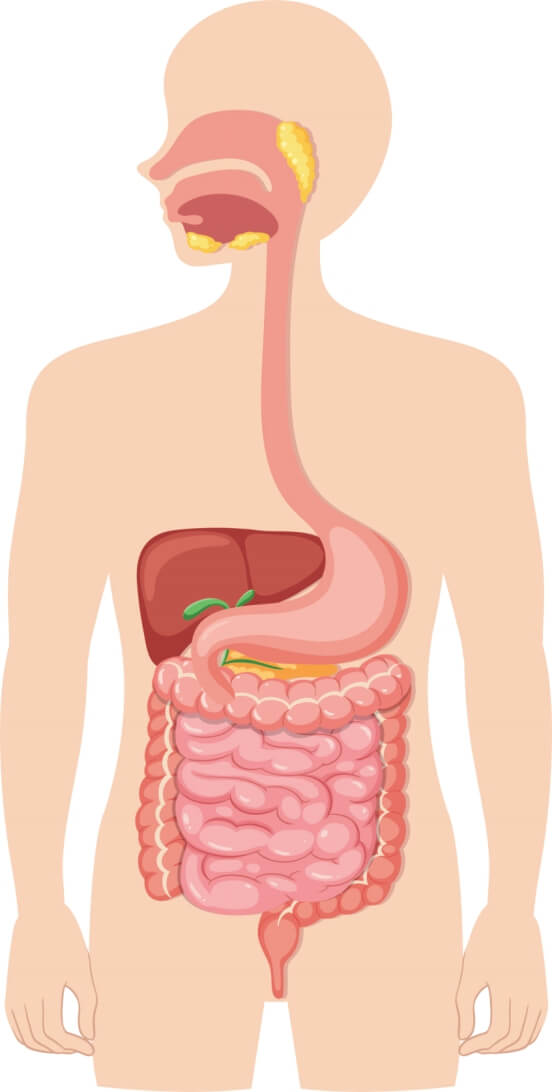
Gastrointestinal (GI) tract surgeries encompass a broad range of procedures aimed at treating conditions affecting the digestive system, including the esophagus, stomach, small intestine, large intestine (colon), rectum, and anus. Here are some common GI surgeries:
Appendectomy
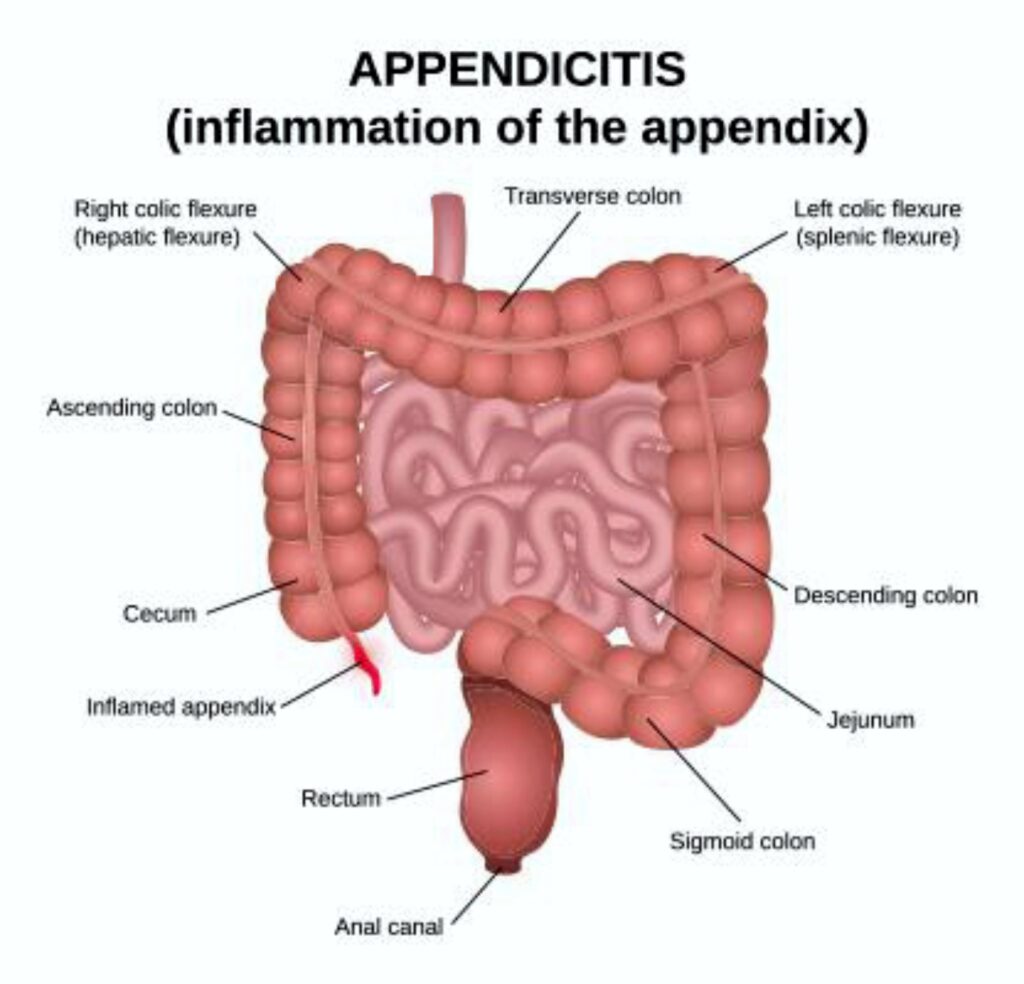
Appendectomy is a surgical procedure performed to remove the appendix, a small pouch-like organ located at the junction of the small intestine and the large intestine (colon). Appendectomy is typically performed as an emergency surgery to treat acute appendicitis, an inflammation of the appendix that can lead to serious complications if left untreated.
Here’s an overview of the appendectomy procedure:
1. Diagnosis: Appendicitis is commonly diagnosed based on the patient’s symptoms, physical examination findings, and sometimes additional tests such as blood tests, urine tests, and imaging studies like ultrasound or CT scan.
2. Preparation: Before surgery, the patient may undergo preoperative evaluation and preparation, which may include fasting from food and liquids, receiving intravenous fluids, and administration of antibiotics to prevent infection.
3. Anesthesia: Appendectomy is typically performed under general anesthesia, which means the patient is asleep and pain-free during the procedure. In some cases, local or regional anesthesia may be used.
Appendectomy is generally a safe and effective procedure with a low risk of complications. However, as with any surgery, there are potential risks, including infection, bleeding, damage to nearby organs, and complications related to anesthesia. Patients should follow their healthcare provider’s instructions for postoperative care and attend follow-up appointments as recommended.
Cholecystectomy
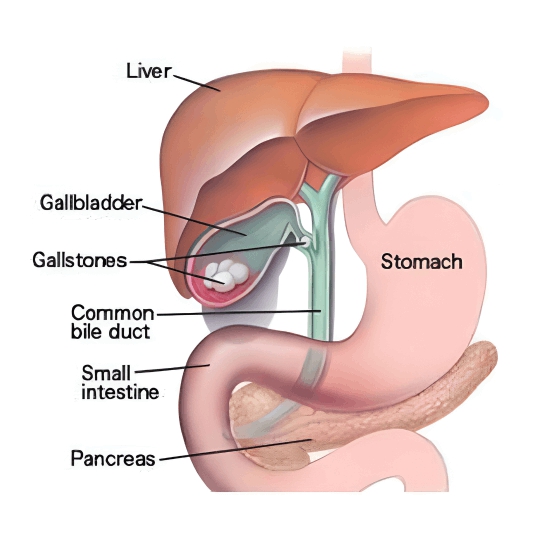
Cholecystectomy is a surgical procedure performed to remove the gallbladder. The gallbladder is a small organ located beneath the liver that stores bile, a digestive fluid produced by the liver. Cholecystectomy is most commonly performed to treat gallstones, which are hardened deposits of bile that can cause pain, inflammation, infection, and other complications.
Cholecystectomy is generally a safe and effective procedure with a low risk of complications. However, as with any surgery, there are potential risks, including bleeding, infection, injury to surrounding structures, and complications related to anesthesia. Patients should follow their healthcare provider’s instructions for postoperative care and attend follow-up appointments as recommended.
Hernia Repairs
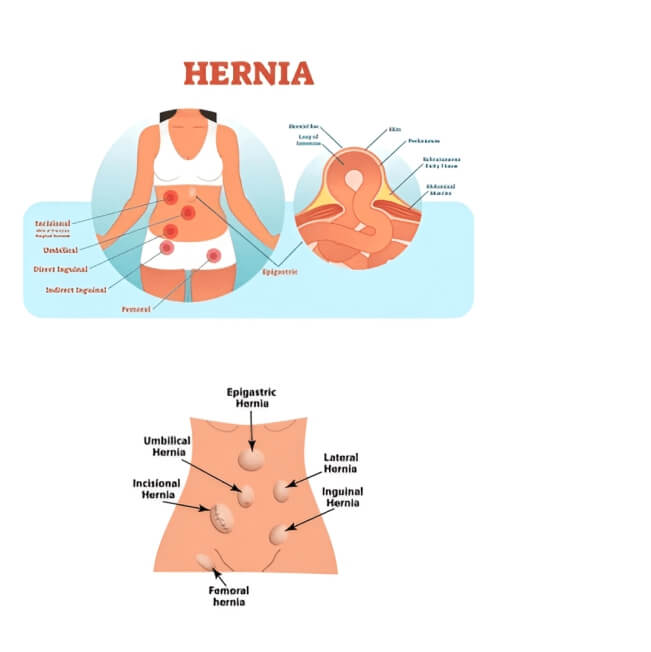
Hernia repair is a surgical procedure performed to correct a hernia, which occurs when an organ or fatty tissue protrudes through a weak spot or tear in the surrounding muscle or connective tissue. Hernias can develop in various areas of the body, but the most common types are inguinal hernias (in the groin), umbilical hernias (around the belly button), and incisional hernias (at the site of a previous surgical incision).
Hernia repair is generally a safe and effective procedure with a low risk of complications. However, as with any surgery, there are potential risks, including bleeding, infection, recurrence of the hernia, and complications related to anesthesia. Patients should follow their healthcare provider’s instructions for postoperative care and attend follow-up appointments as recommended.
Endoscopy
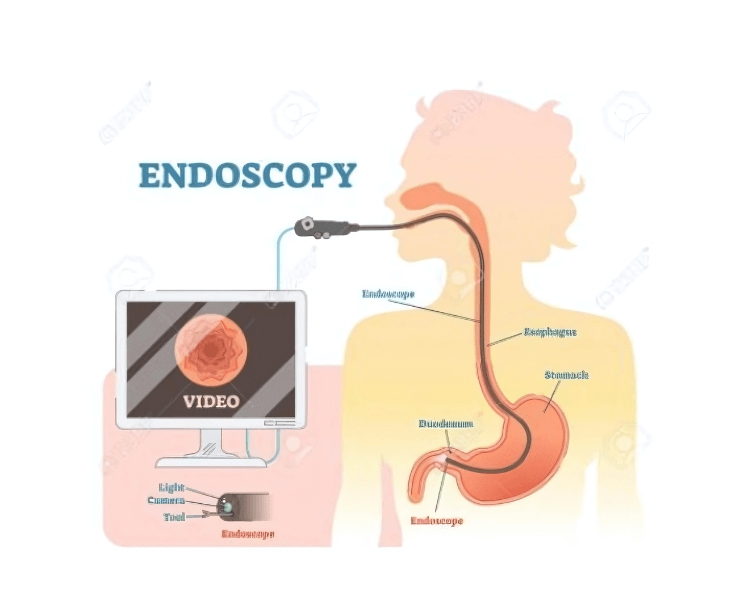
Endoscopy is a medical procedure used to examine the interior surfaces of the body, typically within the gastrointestinal (GI) tract, respiratory tract, or other hollow organs. It involves the use of an endoscope, a flexible tube with a light and camera attached to it, which allows doctors to visualize and diagnose various conditions without the need for open surgery.
Endoscopy is a valuable tool for diagnosing and treating a wide range of medical conditions affecting the digestive system, respiratory system, and other organs. It is generally safe and well-tolerated, with minimal risks and complications compared to traditional surgical procedures. However, as with any medical procedure, there are potential risks, including bleeding, perforation, infection, and adverse reactions to anesthesia or sedation. Patients should discuss any concerns or questions with their healthcare provider before undergoing an endoscopic procedure.
Breast Surgery - Lumpectomy/Mastectomy
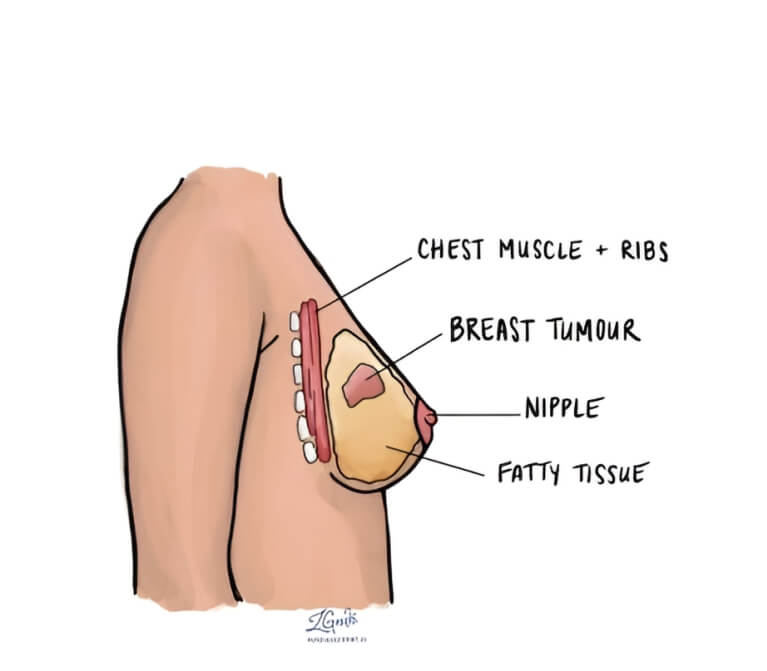
Breast surgery encompasses several procedures aimed at treating conditions affecting the breast tissue, including lumpectomy and mastectomy. Both procedures are used in the management of breast cancer, but they differ in terms of the extent of tissue removal.
Both lumpectomy and mastectomy have their advantages and considerations, and the choice between them depends on factors such as the size and stage of the cancer, the location of the tumor, the patient’s preferences, and overall health. It’s essential for patients to discuss their options with their healthcare team to make informed decisions about their treatment plan.
Excision of Skin and Soft Tissue Lesions
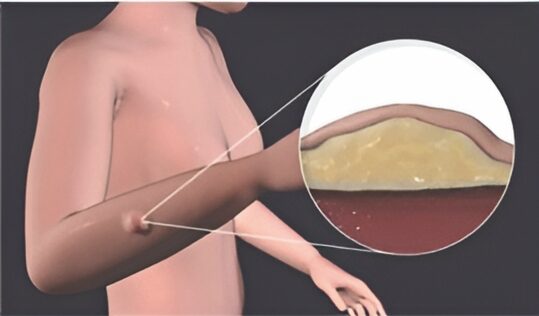
Excision of skin and soft tissue lesions is a surgical procedure aimed at removing abnormal growths or masses located on or just below the skin surface. These lesions can include cysts, lipomas (benign fatty tumors), moles, skin tags, warts, and certain types of skin cancers. The excision procedure aims to completely remove the lesion while preserving the surrounding healthy tissue and minimizing scarring.
Excision of skin and soft tissue lesions is generally a safe and effective procedure with low risks of complications. However, as with any surgery, there are potential risks, including infection, bleeding, scarring, and recurrence of the lesion. Patients should discuss any concerns or questions with their healthcare provider before undergoing the procedure.
Hepatic- Pancreatric and Binary (HPB)
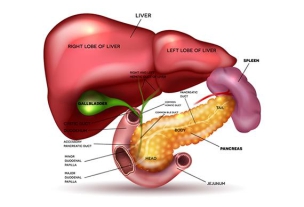
Hepatic, Pancreatic, and Biliary (HPB) refers to a medical specialty focused on the diagnosis and treatment of diseases related to the liver, pancreas, and biliary system (which includes the gallbladder and bile ducts). This specialty encompasses a wide range of conditions such as liver cirrhosis, pancreatic cancer, gallstones, and bile duct obstructions. Specialists in HPB medicine often work closely with surgeons, gastroenterologists, radiologists, and oncologists to provide comprehensive care for patients with these complex disorders.
Limb Amputation
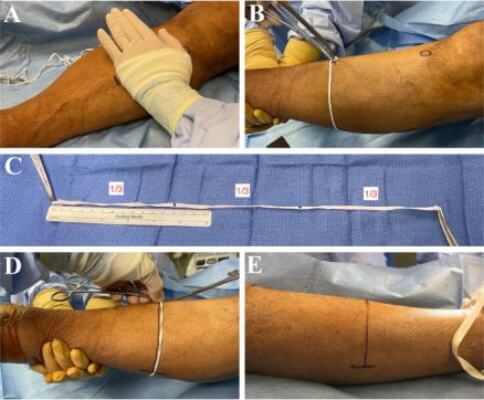
A limb may be amputated due to vascular disease, lower limb ischemia, peripheral arterial disease, and diabetes. Below-the-knee amputation, is a transtibial amputation that involves removing the foot, ankle joint, distal tibia, fibula, and corresponding soft tissue structures. Lower extremity amputation serves as a life-saving procedure and trauma is the next leading cause of lower-extremity amputations.
Trauma Surgery
Trauma surgery often involves procedures such as emergency surgery, organ repair, orthopedic surgery, and neurosurgery, among others. Trauma surgeons work in trauma centers, emergency departments, and operating rooms, collaborating closely with other medical professionals to provide timely and comprehensive care to trauma patients.